Buying vs Hiring a Car: Which Option Saves You More Money?

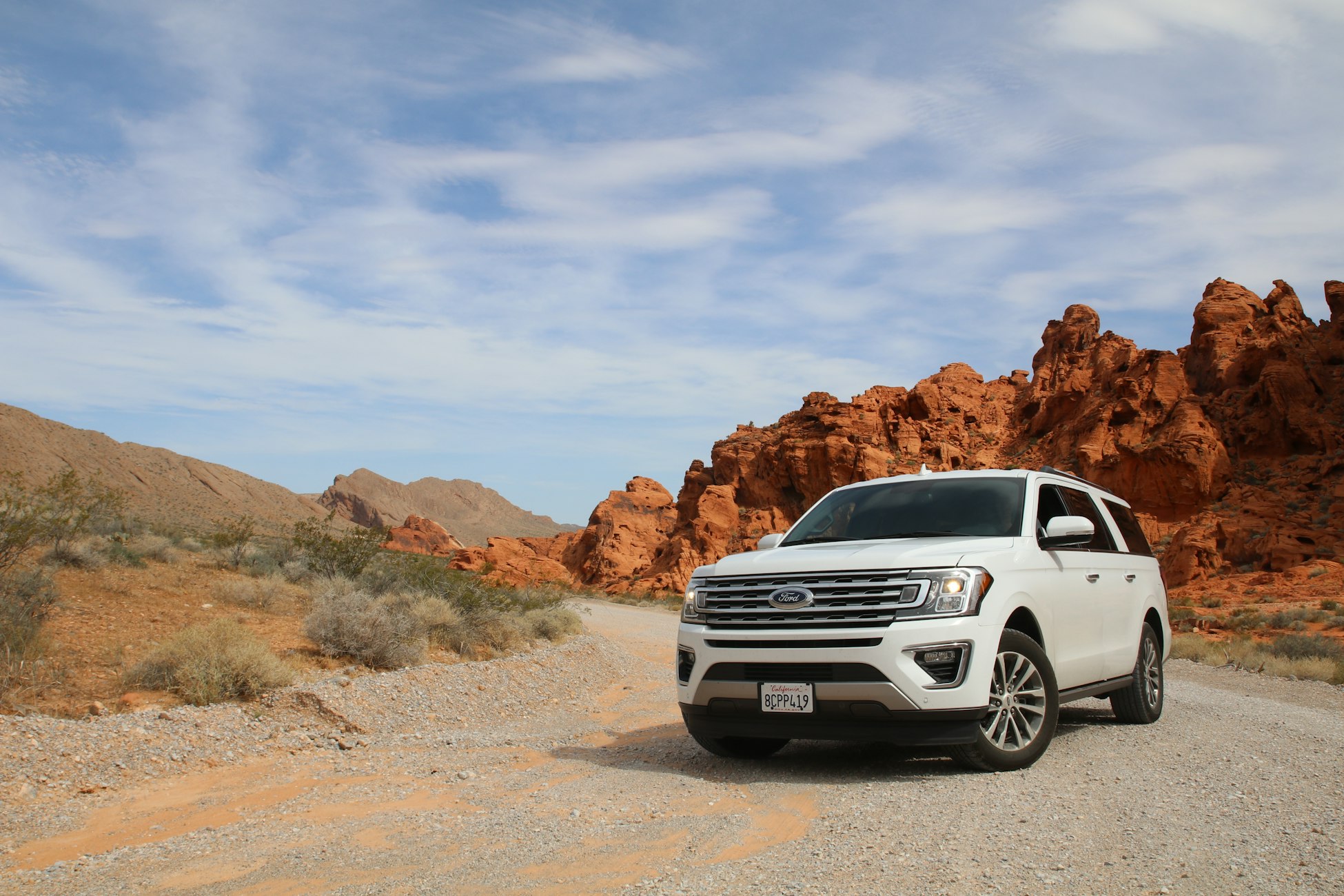
When it comes to transport, one of the biggest decisions you'll have to make is whether to buy or hire a car. Both options have their own set of pros and cons, and it ultimately boils down to your personal circumstances and financial goals. Let's delve into the age-old buy car vs hire debate and explore which option can potentially save you more money in the long run.
Car Rental Cost vs. Car Ownership Cost
One of the first factors to consider when weighing the buy car vs hire car dilemma is the upfront and ongoing costs associated with each option. Hiring a car typically involves a daily or weekly hire fee, along with additional charges for insurance, fuel, and any mileage overages. On the other hand, buying a car requires a down payment, monthly loan payments (if financing), insurance premiums, maintenance costs, and depreciation.
While hiring a car may seem like the more affordable choice in the short term, especially for occasional drivers or those in need of temporary transport, the cumulative costs can add up quickly over time. In contrast, owning a car allows you to spread out the initial purchase price over the vehicle's lifespan and build equity in an asset that retains some resale value.
Rent vs. Buy Car: Cheapest Car Option
To determine the cheapest car option for your situation, it's essential to conduct a thorough car expense comparison and vehicle cost analysis. Consider factors such as your estimated monthly car cost, annual mileage, maintenance needs, and how long you plan to keep the vehicle. Additionally, factor in any leasing savings or incentives that may tip the scales in favour of hiring over buying.
For some individuals, particularly urban dwellers with access to public transport or ridesharing services, hiring a car on an as-needed basis may be more cost-effective than buying a vehicle outright. However, for those who rely on a car for daily commuting or have specific preferences regarding vehicle ownership, buying a car could offer greater financial benefits in the long term.
Transport Budget Tips
Regardless of whether you choose to buy or hire a car, there are several transport budget tips you can follow to minimise your expenses and make the most of your investment:
- Compare prices from multiple car hire agencies and dealerships to secure the best deal.
- Consider purchasing a reliable, fuel-efficient used car to lower your overall ownership costs.
- Explore car-sharing or carpooling options to split expenses with others and reduce your carbon footprint.
- Regularly maintain your vehicle to prevent costly repairs and prolong its lifespan.
- Review your transport budget regularly to identify areas where you can reduce costs or reallocate funds.
In conclusion, the decision between buying vs hiring a car hinges on your personal preferences, lifestyle, and financial objectives. By carefully evaluating the car rental cost, car ownership cost, and overall cheapest car option for your needs, you can make an informed choice that aligns with your budget and long-term goals. Whether you opt for car leasing savings or the stability of owning a vehicle, remember to prioritise transport budgeting and vehicle maintenance to maximise your savings and driving experience.