From Exhausted to Energised: Practical Tips for Coping with Jet Lag

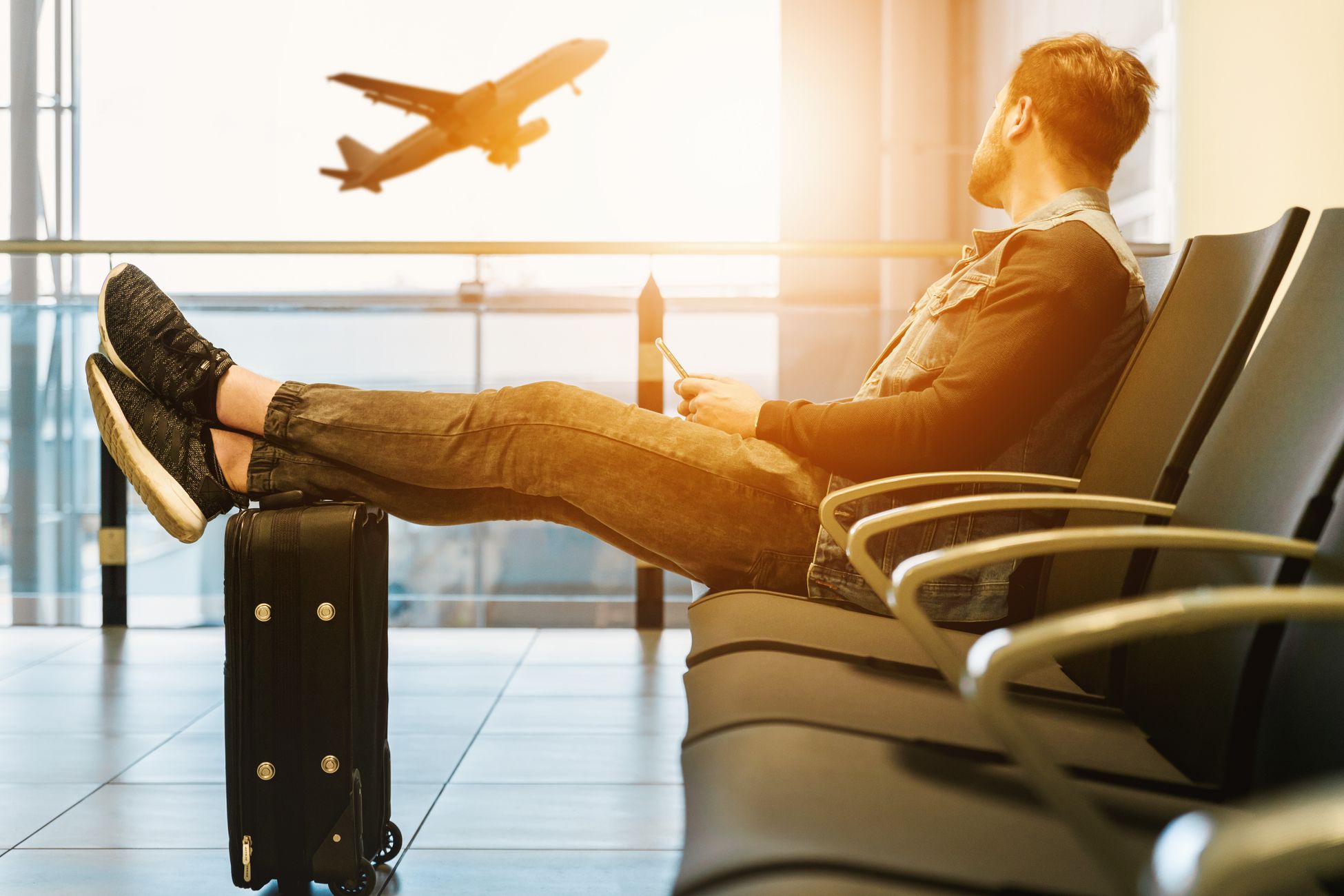
Travelling to exciting destinations can be one of life's greatest pleasures, but crossing multiple time zones often comes with an unwelcome side effect: jet lag. Whether you're travelling for business, holiday, or visiting loved ones, the disruption to your body's internal clock can leave you feeling exhausted, disoriented, and unable to enjoy your trip fully.
Jet lag occurs when your body's natural sleep-wake cycle, also known as the circadian rhythm, becomes misaligned with the local time at your destination. Common symptoms include fatigue, insomnia, difficulty concentrating, irritability, digestive discomfort, and daytime sleepiness. While jet lag is temporary, it can significantly impact your productivity and overall travel experience.
Fortunately, there are many practical strategies that can help minimise the effects of jet lag and speed up recovery. By understanding how your body responds to time zone changes and implementing healthy travel habits, you can arrive at your destination feeling more energised and ready to make the most of your journey.
Understanding Jet Lag and Its Causes
Jet lag is most common after long haul flights that cross three or more time zones. Your body relies on environmental cues such as sunlight, meal times, and sleep schedules to regulate its internal clock. When you travel rapidly across different time zones, these cues suddenly change, but your body needs time to adjust.
The severity of jet lag depends on several factors, including:
-
Number of time zones crossed
-
Direction of travel
-
Individual sleep habits
-
Age
-
Overall health
-
Flight duration
Many travellers find that eastward travel is more difficult because it requires the body to fall asleep earlier than usual. Westward travel is often easier because it allows people to stay awake longer.
Understanding these factors can help travellers prepare more effectively and implement appropriate jet lag recovery strategies.
Prepare Before You Leave
One of the most effective jet lag tips begins before you even board the plane.
Gradually Adjust Your Sleep Schedule
Several days before departure, start shifting your bedtime and wake-up time closer to those of your destination. If you're travelling east, try going to bed earlier. If you're heading west, stay up slightly later each night.
Even a small adjustment of 30 to 60 minutes per day can make the transition easier once you arrive.
Prioritise Sleep Before Travel
Starting a trip already sleep-deprived can worsen travel fatigue. Make sure you get adequate rest during the week leading up to your departure.
Many travellers mistakenly believe they can "catch up" on sleep later, but beginning your trip well-rested gives your body a much better chance of adapting quickly.
Plan Your Arrival Time Strategically
When possible, choose flights that arrive during daylight hours. Exposure to natural sunlight is one of the most powerful tools for resetting your circadian rhythm and supporting sleep adjustment.
Stay Hydrated During Long Haul Flights
Dehydration can intensify many symptoms associated with jet lag, including headaches, fatigue, and poor concentration.
Airplane cabins typically have very low humidity levels, causing passengers to lose moisture more rapidly than normal.
Hydration Tips
-
Drink water regularly throughout your flight.
-
Carry a reusable water bottle.
-
Limit alcohol consumption.
-
Reduce caffeine intake before bedtime.
-
Eat water-rich foods when available.
While caffeine may provide temporary alertness, excessive amounts can interfere with sleep adjustment once you reach your destination.
Use Light Exposure to Reset Your Body Clock
Light is the most important factor in regulating your circadian rhythm.
Get Morning Sunlight
If you're trying to adapt to an earlier time zone, expose yourself to sunlight early in the morning. This helps signal to your body that it's time to wake up and begin the day.
Seek Evening Light When Appropriate
For westward travel, evening light exposure can help delay your body's sleep cycle and support adaptation.
Limit Artificial Light at Night
Electronic devices emit blue light that can suppress melatonin production. Consider reducing screen time before bed and using blue-light filtering settings on your devices.
Smart Sleep Strategies After Arrival
One of the biggest challenges travellers face is deciding whether to sleep immediately upon arrival.
Follow Local Time
As much as possible, begin following the local schedule right away. Eat meals, sleep, and wake according to the destination's time zone.
Avoid Excessive Napping
Short naps of 20 to 30 minutes can help reduce travel fatigue without disrupting nighttime sleep. However, long naps may delay your body's adjustment process.
Create a Sleep-Friendly Environment
Improve sleep quality by:
-
Keeping the room cool
-
Using blackout curtains
-
Wearing an eye mask
-
Using earplugs if necessary
-
Avoiding large meals before bedtime
A comfortable sleep environment can significantly accelerate jet lag recovery.
Nutrition and Travel Wellness
What you eat can also influence how quickly your body adjusts to a new time zone.
Eat Balanced Meals
Focus on:
-
Lean proteins
-
Fruits and vegetables
-
Whole grains
-
Healthy fats
Balanced meals help stabilise energy levels and support overall travel health.
Avoid Heavy Late-Night Meals
Large meals close to bedtime may interfere with digestion and make it harder to fall asleep.
Time Your Meals Wisely
Eating according to local meal schedules can help reinforce your body's adaptation to the new time zone.
Exercise for Faster Recovery
Physical activity is another effective jet lag remedy.
Moderate exercise can:
-
Increase alertness
-
Improve mood
-
Enhance sleep quality
-
Reduce fatigue
Simple activities such as walking, stretching, or light jogging can help signal to your body that it's time to be awake.
Avoid intense workouts close to bedtime, as they may make falling asleep more difficult.
Common Jet Lag Mistakes to Avoid
Many travellers unintentionally make jet lag worse by:
-
Sleeping at random hours
-
Overusing caffeine
-
Drinking excessive alcohol
-
Staying indoors all day
-
Ignoring local schedules
-
Taking long daytime naps
Avoiding these habits can dramatically improve your recovery time and overall travel experience.
Conclusion
Jet lag may be an unavoidable part of international travel, but it doesn't have to ruin your trip. By preparing before departure, staying hydrated during long haul flights, managing light exposure, prioritising healthy sleep habits, and following local schedules, you can significantly reduce travel fatigue and adapt more quickly to new time zones.
The next time you embark on a journey across the globe, remember that successful jet lag recovery starts with planning and consistency. With these practical jet lag tips, you'll be better equipped to transition smoothly, maintain your travel wellness, and enjoy every moment of your adventure feeling refreshed, energised, and ready to explore.