Home EV Charging: How to Reduce Electricity Costs
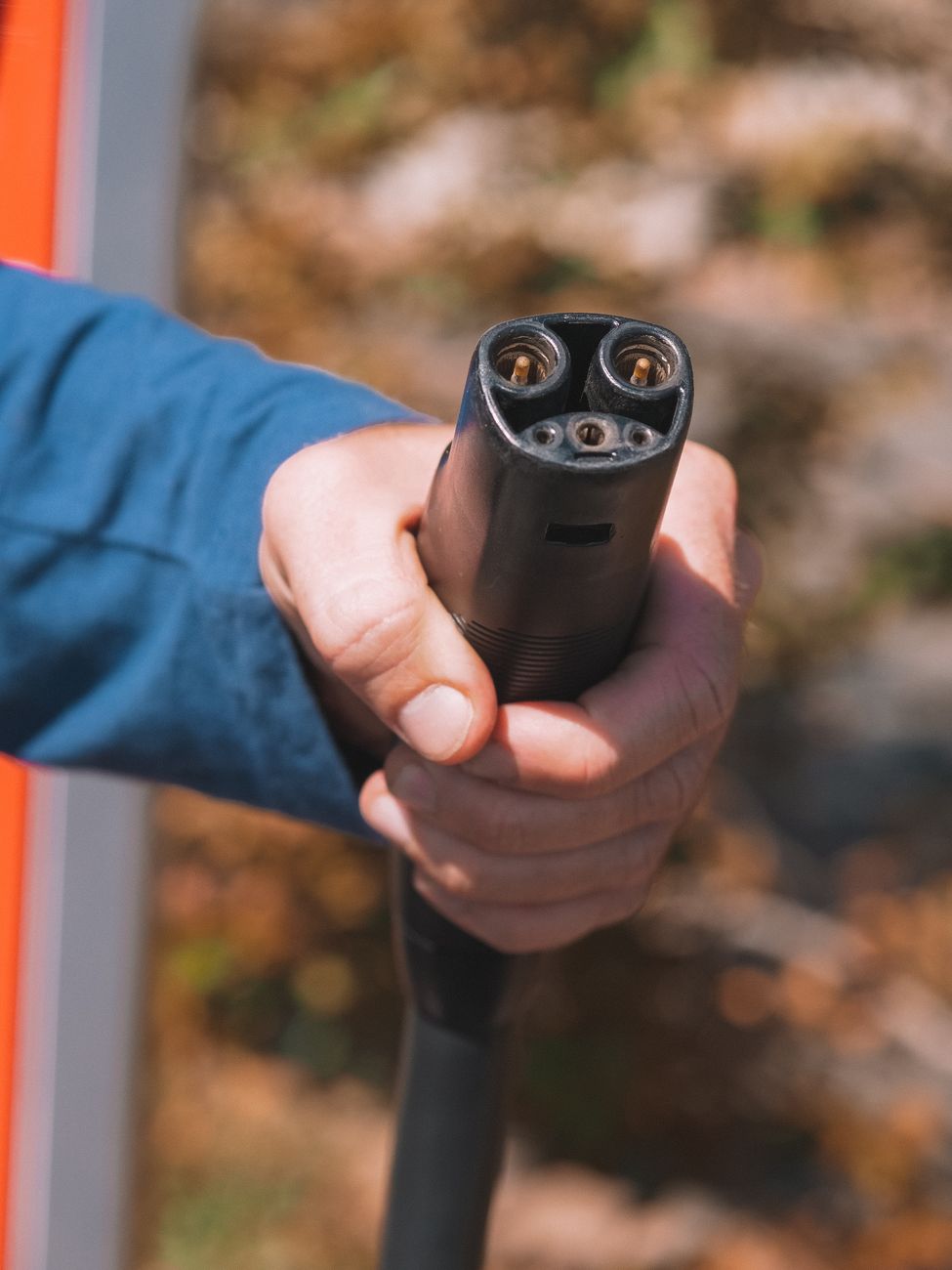
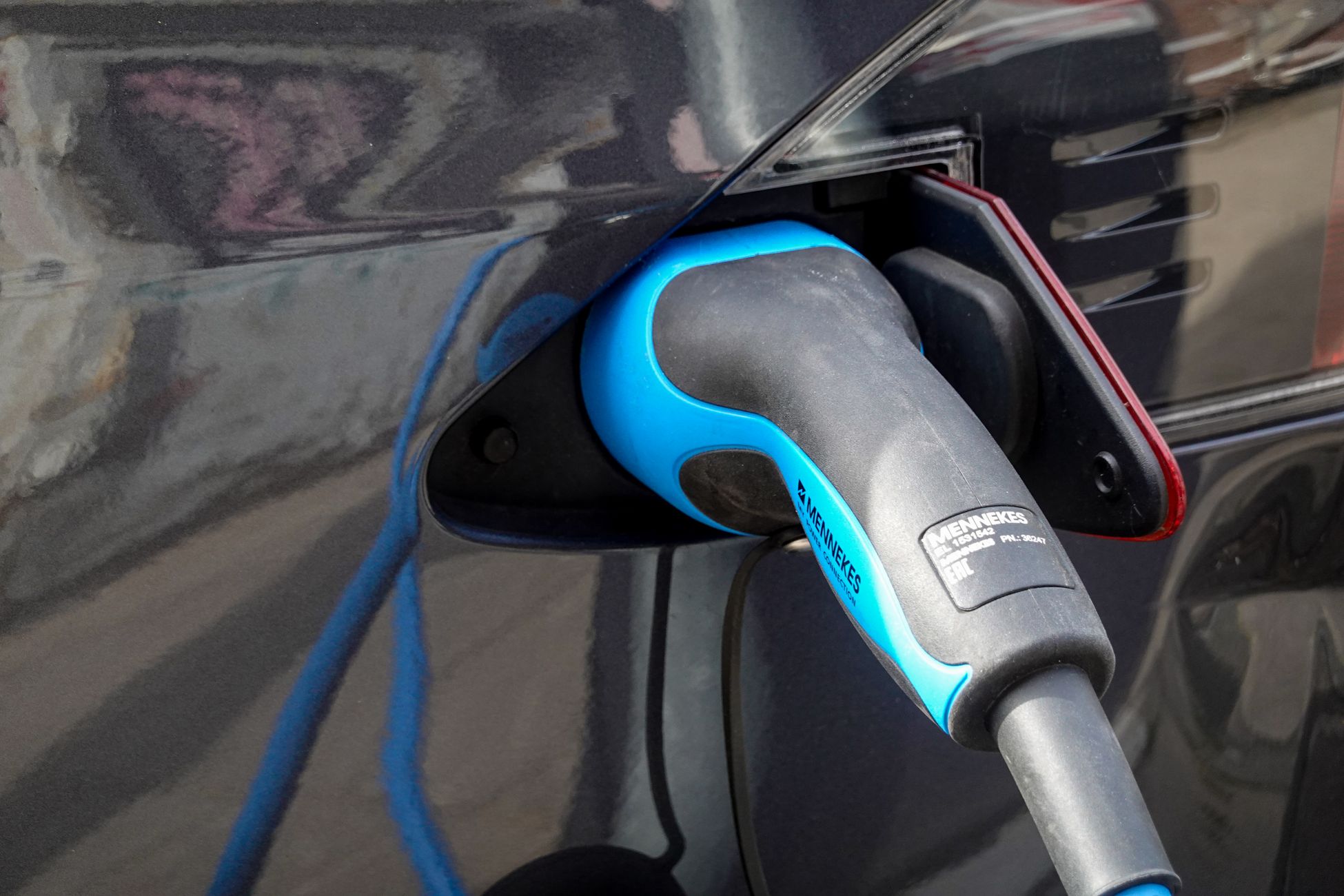
In recent years, the adoption of electric vehicles (EVs) has been on the rise, with more and more people making the switch to eco-friendly modes of transportation. As the demand for electric cars continues to grow, so does the need for home EV charging solutions. Charging your electric vehicle at home is not only convenient but it can also help you save on electricity costs in the long run.
When it comes to home EV charging, there are several factors to consider in order to reduce electricity costs. One of the key aspects to focus on is off-peak charging. Many utility companies offer lower electricity rates during off-peak hours, which are typically late at night or early in the morning. By taking advantage of these off-peak hours to charge your EV, you can significantly reduce your electricity costs.
Investing in a smart EV charger is another way to optimize your home EV charging setup and save on energy expenses. Smart EV chargers are equipped with advanced technology that allows you to schedule your charging sessions during off-peak hours, monitor your energy usage, and even take advantage of time-of-use electricity rates. These features can help you maximize energy savings and reduce your overall electricity costs.
It's also important to be aware of EV electricity rates offered by your utility company. Some utility providers offer special electricity rates specifically for electric vehicle owners, which can be lower than standard residential rates. By enrolling in a program that offers discounted EV electricity rates, you can further reduce the cost of charging your electric car at home.
In addition to choosing the right charging times and utilizing smart technology, there are other strategies you can implement to minimize electricity costs when charging your electric vehicle at home. For example, ensuring that your home is well insulated and energy-efficient can help reduce overall energy consumption, which in turn can lead to savings on your electricity bill.
Furthermore, regularly maintaining your EV charger and keeping it clean can also contribute to energy efficiency and help lower electricity costs in the long term. By keeping your charging equipment in good condition, you can ensure that it operates efficiently and effectively, ultimately saving you money on energy expenses.
In conclusion, home EV charging is not only convenient for electric vehicle owners but it can also be cost-effective when done strategically. By taking advantage of off-peak charging, investing in a smart EV charger, enrolling in programs with discounted EV electricity rates, and implementing energy-efficient practices, you can reduce electricity costs associated with charging your electric car at home. With a focus on energy savings and optimization, home EV charging can be both environmentally friendly and budget-friendly.