Level Up: Exploring the Impact of Computer Games on Culture and Technology

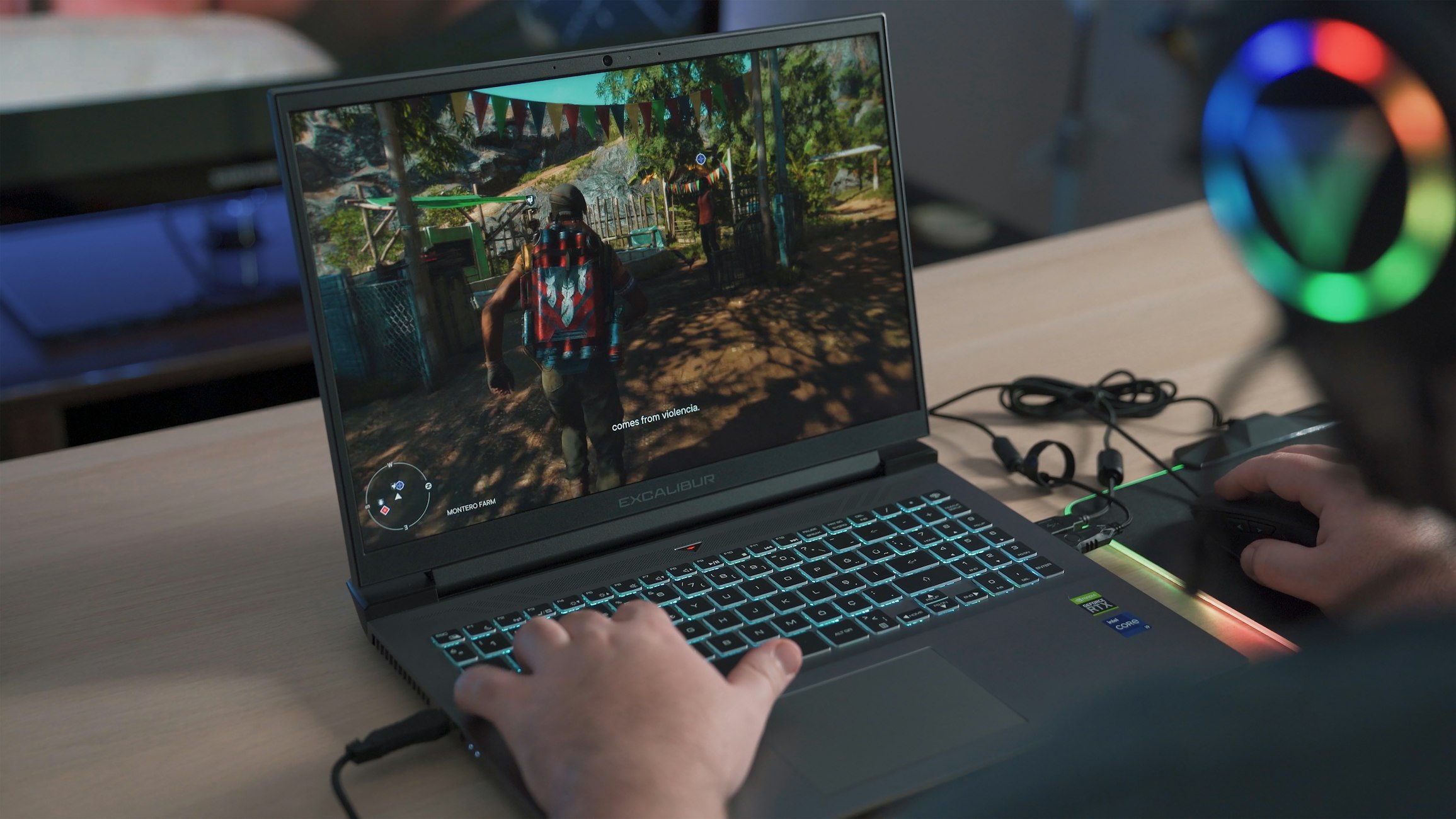
In recent years, computer games have evolved from simple entertainment into a powerful force shaping modern culture and technology. Today, gaming is not just a hobby—it is a global phenomenon influencing how people communicate, learn, and interact with digital environments. The impact of computer games on society is profound, driving innovation, creating new industries, and redefining entertainment.
Technological Innovation Driven by Gaming
One of the most significant contributions of computer games is their role in accelerating technological progress. Game developers continuously push the limits of hardware and software to deliver more realistic and immersive experiences. This demand has led to breakthroughs in graphics rendering, artificial intelligence, and physics simulation.
For example, modern games feature lifelike visuals powered by real-time ray tracing and advanced game engines. Artificial intelligence is used to create smarter non-player characters, making gameplay more dynamic and engaging. Additionally, virtual reality (VR) and augmented reality (AR) technologies, initially popularised by gaming, are now used in education, healthcare, and training simulations.
Gaming has also contributed to the rise of powerful hardware, including high-performance GPUs and processors, which are now essential in fields such as data science and machine learning.
The Rise of Gaming Culture
The cultural impact of computer games is just as significant as their technological influence. Gaming has grown into a global culture with its own communities, language, and trends. Platforms like streaming services and social media have amplified this culture, allowing players to share experiences and build audiences worldwide.
One of the most notable developments is the rise of esports. Competitive gaming has transformed into a professional industry with tournaments offering massive prize pools and attracting millions of viewers. Esports athletes are now recognised similarly to traditional sports players, and major events fill arenas and dominate online streaming platforms.
Gaming has also influenced music, fashion, and storytelling. Iconic characters, soundtracks, and game narratives have become part of mainstream culture, inspiring movies, merchandise, and fan communities.
Social Interaction in the Digital Age
Computer games have revolutionised the way people socialise. Online multiplayer games enable players to connect instantly with others across the globe, breaking down geographical barriers. These virtual spaces foster collaboration, teamwork, and communication.
Whether it's coordinating strategies in competitive games or simply exploring virtual worlds together, players form meaningful connections. For many, gaming communities provide a sense of belonging and shared identity.
Moreover, games are increasingly being used as social platforms. Virtual environments host concerts, events, and gatherings, blending entertainment with social interaction in new and exciting ways.
Economic and Industry Impact
The gaming industry has become one of the largest sectors in the entertainment world, surpassing film and music in revenue. This growth has created countless opportunities, from game development and design to marketing, streaming, and esports management.
Indie developers and small studios now have access to global markets thanks to digital platforms, making the industry more accessible and diverse. At the same time, major companies continue to invest heavily in innovation, pushing the industry forward.
The Future of Gaming
Looking ahead, the future of gaming is filled with exciting possibilities. Technologies such as cloud gaming are making high-quality games accessible without expensive hardware. Artificial intelligence will enable more personalised and adaptive gameplay experiences. Meanwhile, the development of the metaverse concept suggests a future where gaming, social interaction, and digital economies merge into persistent virtual worlds.
Augmented reality could further integrate gaming into everyday life, while advancements in haptic feedback and immersive devices will make experiences more realistic than ever before.
Conclusion
The impact of computer games on culture and technology is undeniable. They are not only shaping the future of entertainment but also influencing innovation, communication, and global connectivity. As gaming technology continues to evolve, its role in society will only become more significant.
From fostering communities to driving technological breakthroughs, computer games have truly “levelled up” from simple entertainment to a defining element of modern life. The future of gaming promises even greater integration into our daily experiences, offering endless opportunities for creativity, connection, and discovery.