Mastering the Cut: Fundamental Knife Skills to Revolutionize Your Cooking
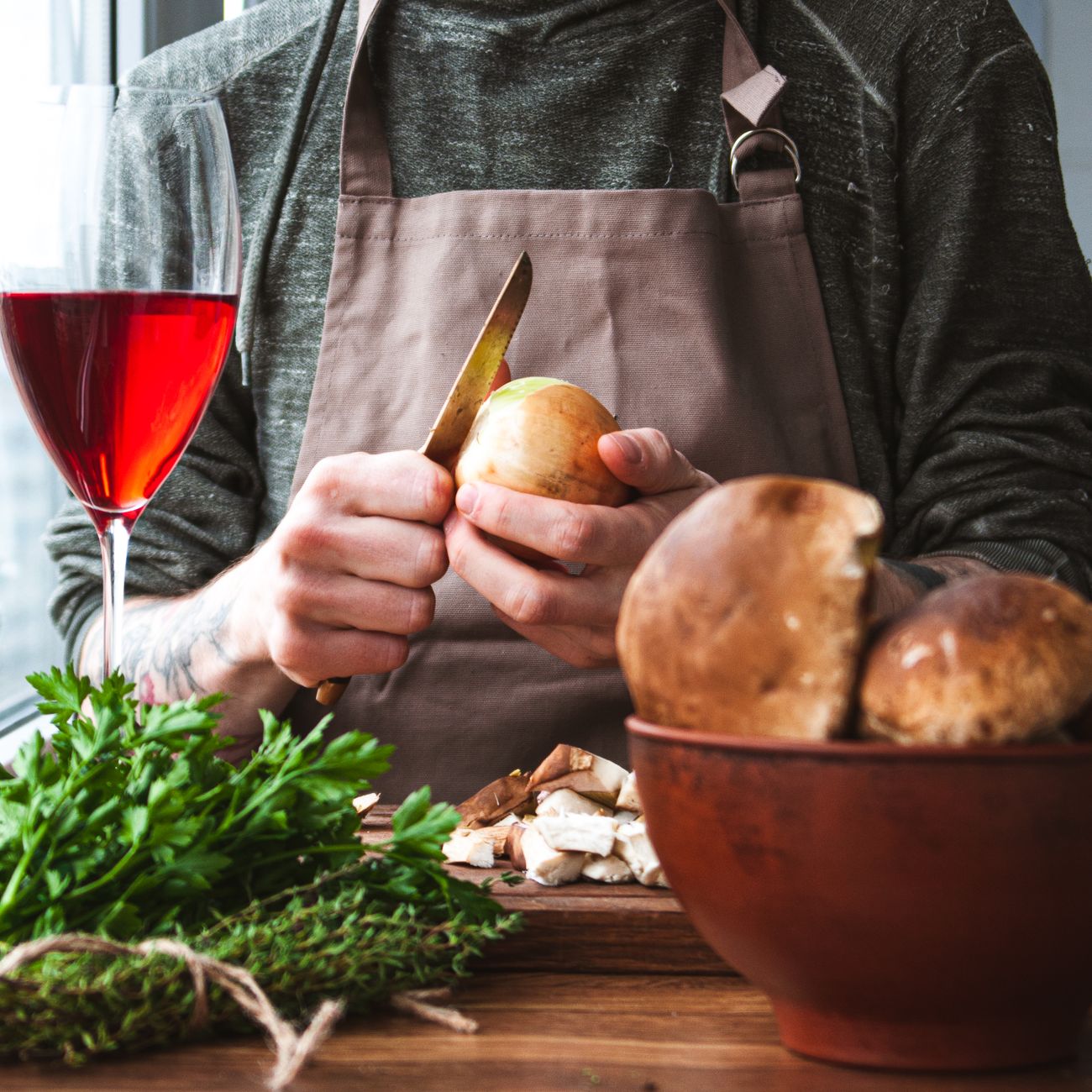
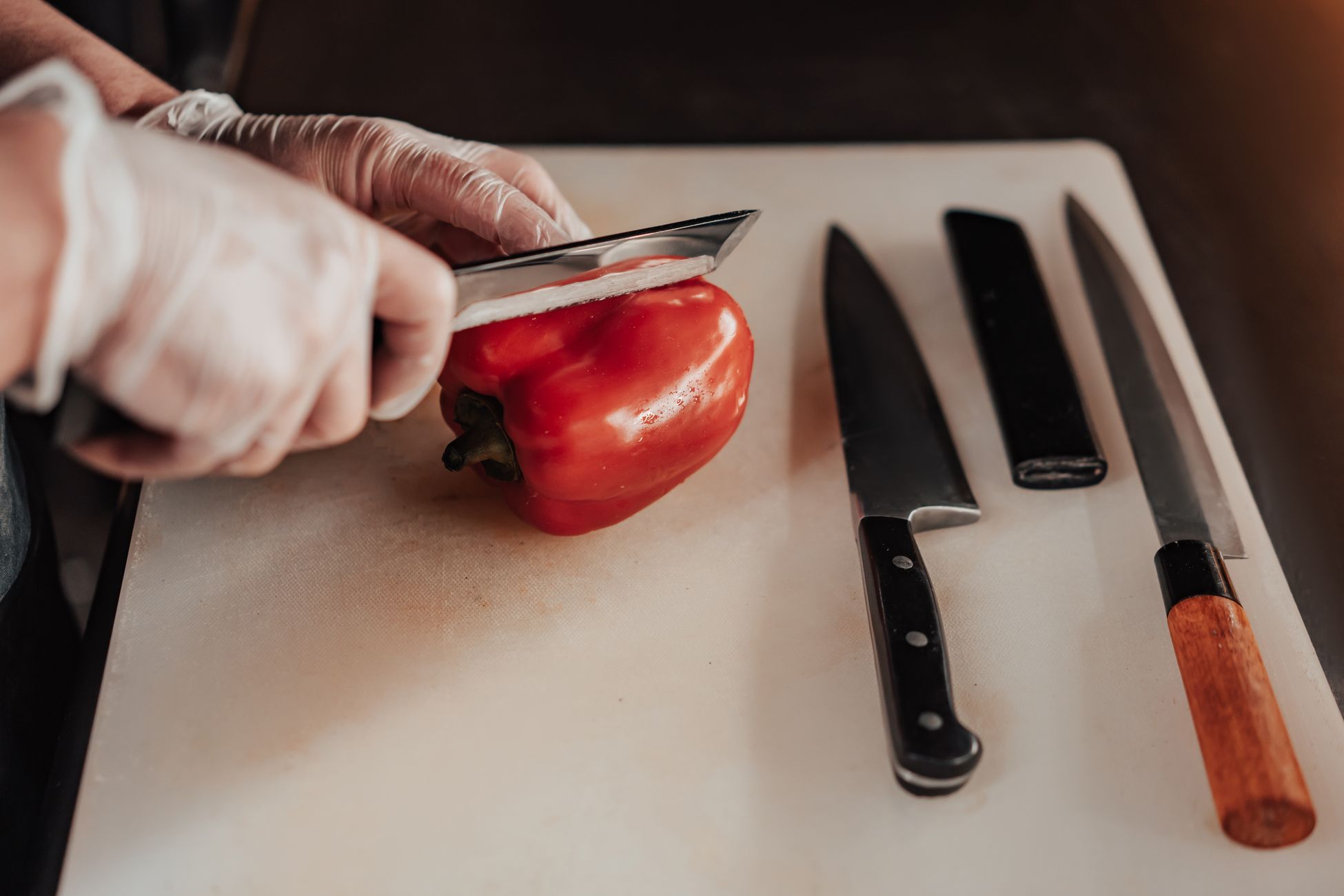
Cutting is an essential skill in any kitchen, whether you are a seasoned professional chef or a passionate home cook. Mastering the art of knife skills does far more than just speed up your meal prep; it enhances safety, elevates the visual presentation of your food, and ensures even cooking throughout your dishes. When every piece of vegetable is uniform, everything cooks at the exact same rate. In this guide, we will delve into the fundamental knife skills that will truly revolutionize your culinary game.
The Foundation: Grip and Safety
Before making a single cut, your foundation must be solid. Safety and control begin with how you hold the blade:
-
The Pinch Grip: Forget gripping the handle like a hammer. Instead, pinch the heel of the blade between your thumb and index finger, wrapping your remaining three fingers securely around the handle. This provides maximum balance, control, and precision.
-
The Claw: To protect your non-dominant hand, curl your fingertips inward like a claw, resting the flat side of the knife blade against your knuckles as a guide. This technique keeps your fingers completely safe from stray slips.
Essential Cutting Techniques
Understanding how to execute different cuts efficiently transforms your time at the cutting board:
-
The Rocking Motion: For general chopping and slicing, keep the tip of the chef’s knife in contact with the board. Lift the heel of the blade, push forward, and roll downward through the food in a smooth, continuous motion.
-
The Push Cut: Ideal for clean, firm slices (such as cutting through raw proteins or large root vegetables), pushing the blade forward and down in one single stroke prevents crushing delicate food cells.
Classic Culinary Cuts to Master
Taking your presentation to a professional level requires learning standard uniform cuts:
-
Batonnet (Sticks): Cutting vegetables into $1/4 \text{ inch} \times 1/4 \text{ inch} \times 2 \text{ inches}$ matchsticks. This serves as the base for many finer cuts.
-
Julienne (Matchsticks): A finer, more delicate stick cut measuring roughly $1/8 \text{ inch} \times 1/8 \text{ inch} \times 2 \text{ inches}$, perfect for salads and stir-fries.
-
Brunoise (Fine Dice): Produced by taking your julienned strips and dicing them into tiny $1/8 \text{ inch}$ cubes.
-
Chiffonade: A technique used for leafy greens and herbs like basil. Stack the leaves, roll them tightly like a cigar, and slice crosswise to yield thin, ribbon-like strips.
Kitchen Prep Efficiency
Streamlining your workflow is just as critical as blade work. Keep a damp paper towel beneath your cutting board to prevent it from sliding across the counter. Always keep your blade razor-sharp—counterintuitively, a dull knife is far more dangerous than a sharp one because it requires extra pressure and is prone to slipping.
By practicing these core techniques regularly, you will build confidence, speed up your kitchen prep, and unlock your true potential as a cook. Grab your chef's knife, protect your fingers, and enjoy the craft!