Printing the Impossible: How 3D Technology is Shaping Our World
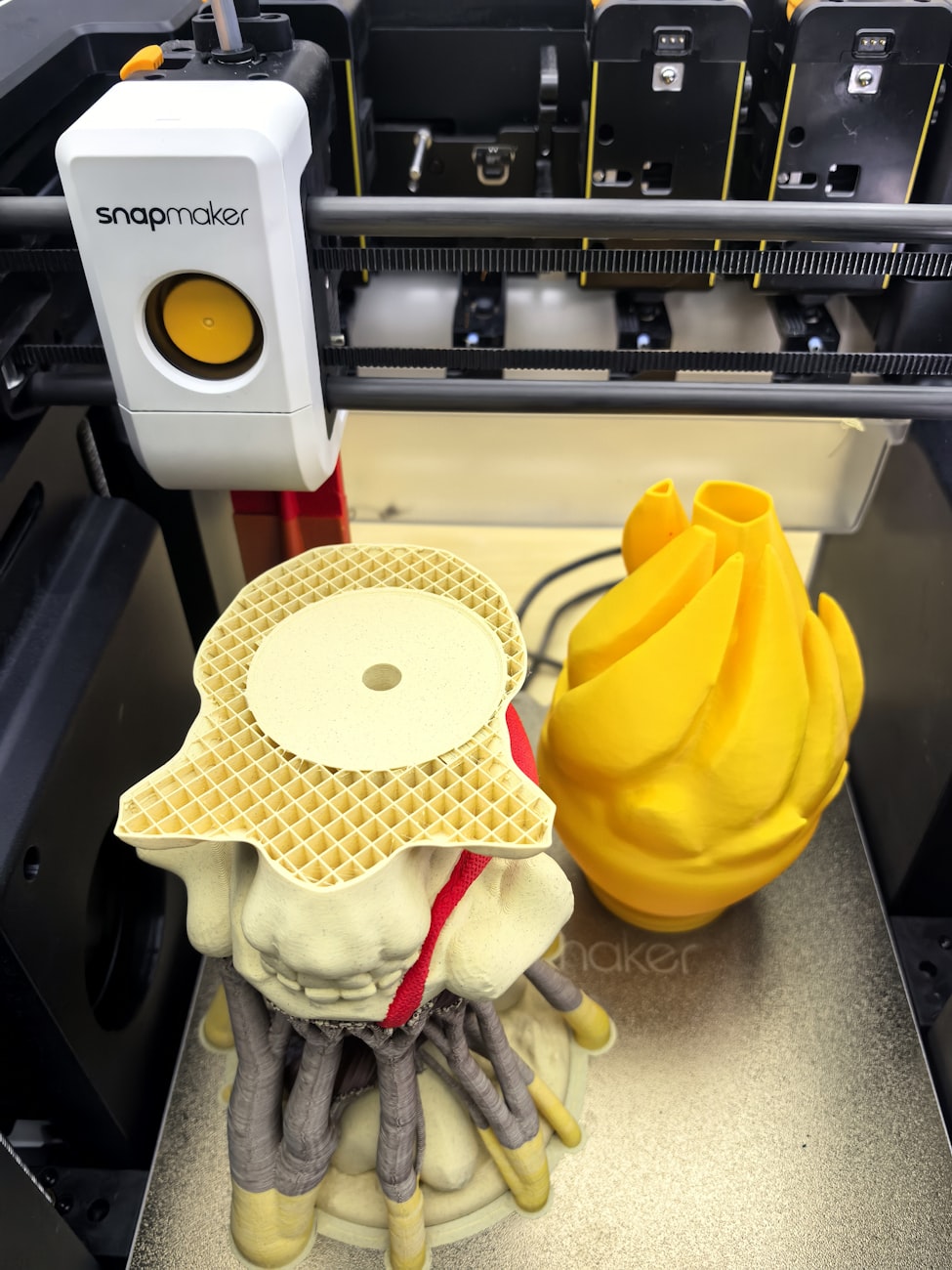
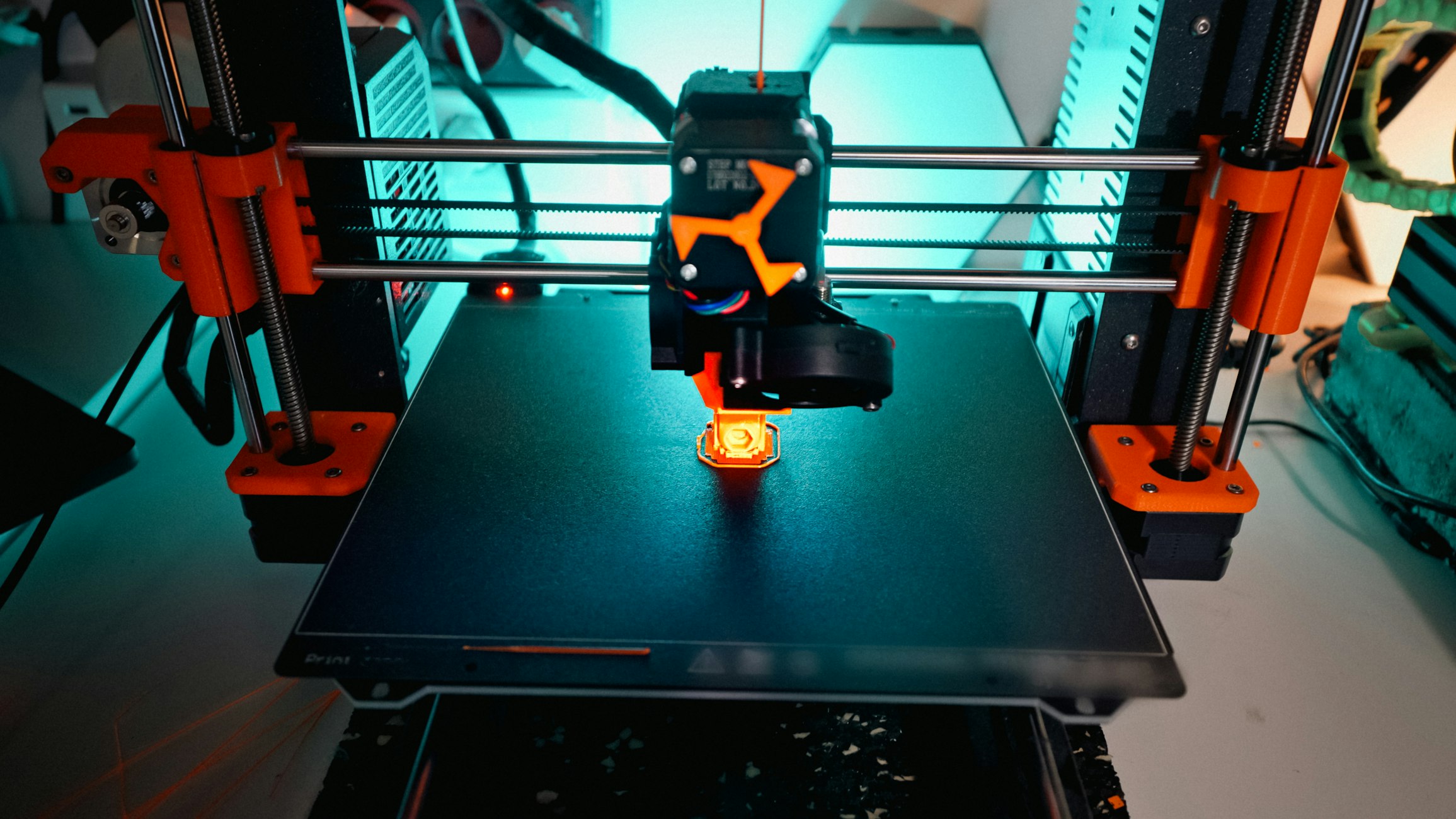
3D printing technology, also known as additive manufacturing, has revolutionised the manufacturing industry and is shaping our world in remarkable ways. From rapid prototyping to creating complex geometries that were once thought impossible, 3D printing has paved the way for a new era of innovation and design possibilities.
One of the most significant advantages of 3D printing is its ability to bring digital designs to life with precision and efficiency. Traditional manufacturing processes often involve lengthy production times and expensive tooling costs. With 3D printing, manufacturers can produce custom parts on-demand, reducing lead times and saving on costs.
3D printing has found a wide range of applications across various industries, from aerospace and automotive to healthcare and consumer goods. In the aerospace sector, companies are using advanced 3D printing techniques to produce lightweight components that improve fuel efficiency and reduce emissions.
In the healthcare industry, 3D printing has enabled the creation of patient-specific implants and prosthetics, revolutionising the field of personalised medicine. Surgeons can now use 3D-printed models to plan complex procedures with a higher degree of accuracy, leading to better patient outcomes.
3D printing has also opened up new possibilities in architecture and construction, allowing architects and engineers to create intricate building designs with sustainable materials. The technology has the potential to transform the way we build homes and structures, making construction processes more efficient and environmentally friendly.
As 3D printing continues to advance, we can expect to see even more innovative applications emerge. From printing food and clothing to creating organs for transplant, the possibilities are endless. With ongoing research and development in the field of 3D printing, we are on the brink of a manufacturing revolution.
The future of manufacturing lies in digital fabrication, where designs are created in virtual environments before being brought to life through 3D printing. This approach allows for greater flexibility and customisation, making it possible to mass-produce complex parts with ease.
3D printing trends indicate that the technology will only continue to improve and become more accessible to businesses and consumers alike. As the cost of 3D printers continues to decline and printing speeds increase, we can expect to see a surge in demand for 3D-printed products across various industries.
With its ability to produce prototypes quickly and cost-effectively, 3D printing is poised to revolutionise the way products are developed and brought to market. Instead of waiting weeks or months for a prototype to be manufactured, designers can now print a physical model in a matter of hours.
In conclusion, 3D printing technology is reshaping our world and unlocking new possibilities for innovation. As the technology matures and becomes more widespread, we can look forward to a future where the impossible becomes possible through the power of additive manufacturing.