The Complete Guide to Regular Car Maintenance and Care
Welcome to our comprehensive guide on regular car maintenance and care. Taking care of your vehicle is crucial to ensure its longevity, performance, and safety on the road. A well-maintained car not only reduces the risk of unexpected breakdowns but also helps you save money on major repairs in the long run. In this article, we will explore essential car maintenance practices, auto repair tips, and preventive measures to keep your vehicle running smoothly and reliably in all conditions.
1. Car Maintenance Basics
Regular car maintenance is the foundation of vehicle reliability and efficiency. Consistent care helps prevent small issues from turning into expensive problems. Here are some essential tasks that every car owner should know and follow:
Oil Change:
Regular oil changes are vital to keep your engine running smoothly and to reduce internal wear. Engine oil lubricates moving parts and prevents overheating. It is generally recommended to change your oil every 5,000 to 7,500 miles, depending on your vehicle's make, model, and the type of oil used. Neglecting oil changes can significantly shorten engine life.
Tire Care:
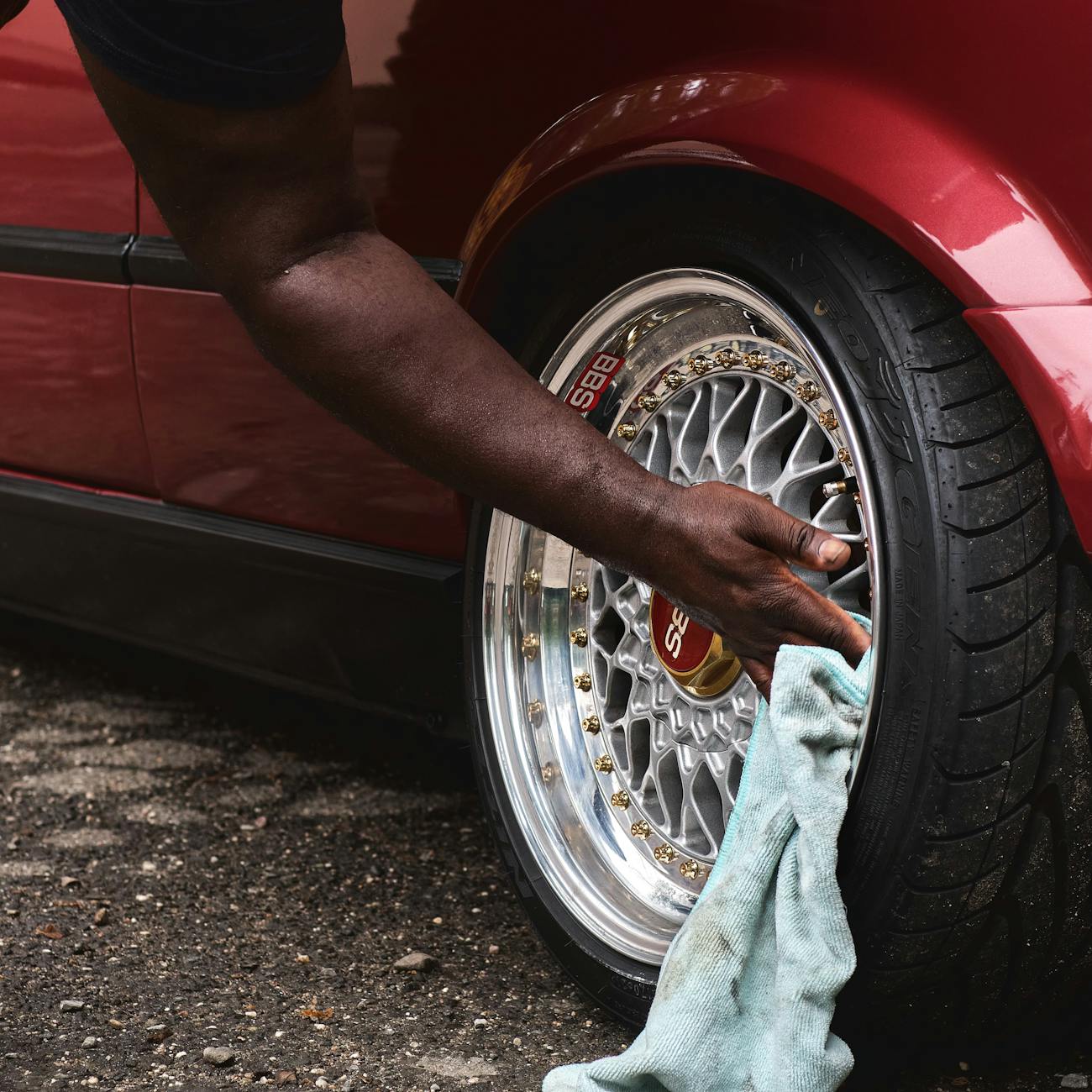
Proper tire maintenance plays a key role in both safety and fuel efficiency. Regular tire rotations help ensure even wear, while balancing and alignment improve driving comfort and vehicle stability. It is also important to check tire pressure monthly, as underinflated or overinflated tires can lead to poor handling and increased fuel consumption.
Vehicle Inspection:
Routine inspections of key components such as brakes, belts, hoses, battery, and fluid levels help detect potential problems early. Checking coolant, transmission fluid, brake fluid, and windshield washer fluid regularly ensures that your car operates efficiently and safely.
2. Auto Repair Tips
While many basic maintenance tasks can be done at home, more complex repairs require professional expertise. Understanding when to seek help can prevent further damage and ensure proper fixes.
Engine Maintenance:
The engine is the heart of your vehicle, so keeping it in good condition is essential. Regularly inspect and replace air filters, spark plugs, and timing belts when necessary. A clean air filter improves fuel efficiency, while properly functioning spark plugs ensure smooth ignition and engine performance.
Car Servicing:
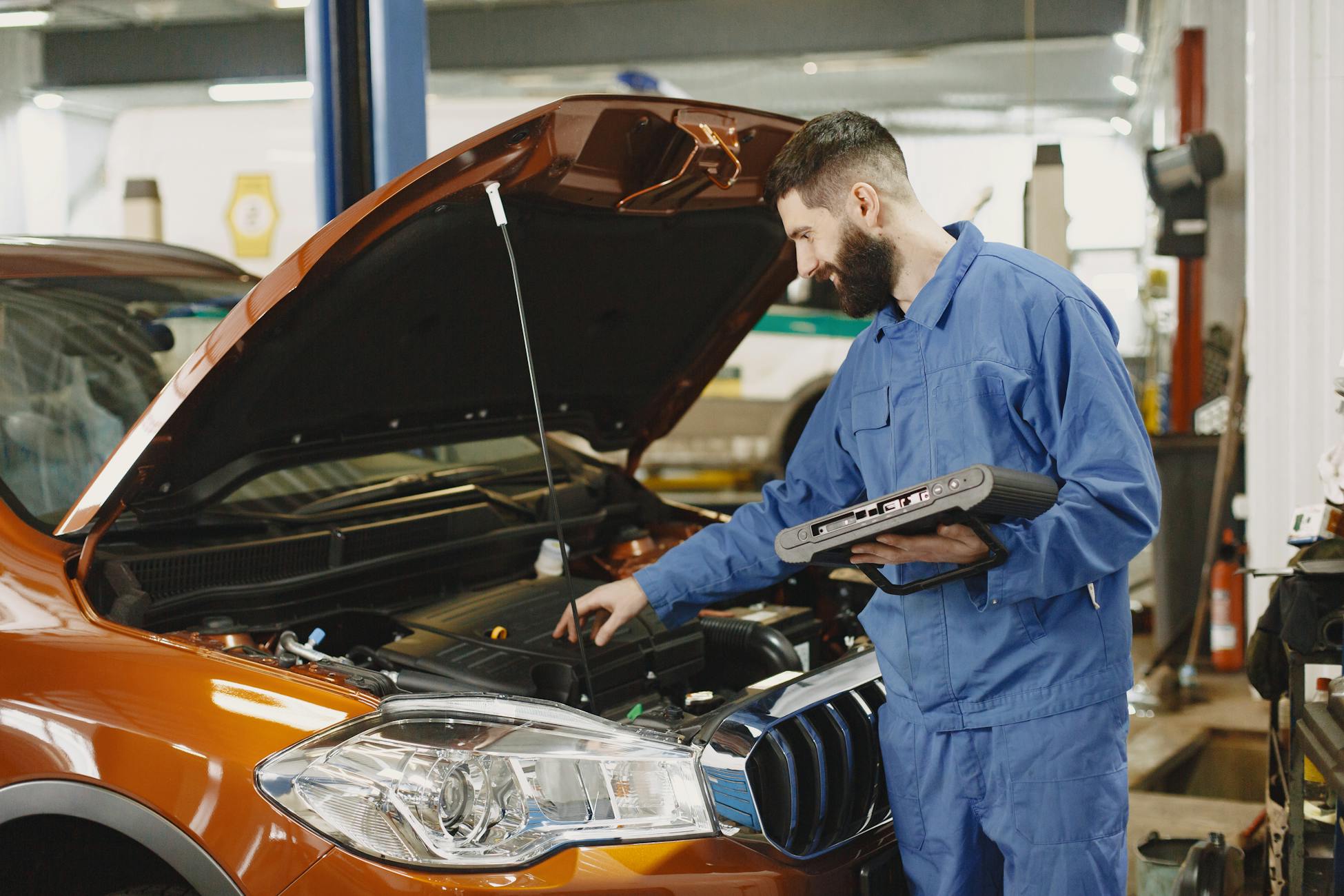
Regular servicing at a trusted auto repair shop helps maintain your vehicle in peak condition. During servicing, professionals perform detailed diagnostics, check safety systems, and replace worn-out parts. Always follow your vehicle manufacturer’s recommended service schedule to avoid voiding warranties and to maintain optimal performance.
Electrical System Check:
Modern vehicles rely heavily on electronics. Battery health, alternator performance, and wiring should be checked periodically to prevent electrical failures. A weak battery or faulty alternator can leave you stranded unexpectedly.
3. Preventive Maintenance
Preventive maintenance focuses on identifying and addressing issues before they become serious problems. It is one of the most effective ways to extend the life of your vehicle.
Car Safety Checks:
Perform regular safety checks before long trips or at least once a month. Inspect headlights, brake lights, turn signals, windshield wipers, and horn functionality. Ensure that brakes respond properly and that tires have sufficient tread depth for safe driving in different weather conditions.
Regular Vehicle Inspections:
Scheduling periodic inspections with a qualified mechanic can help detect hidden issues that may not be visible during routine checks. Early detection of leaks, worn components, or unusual noises can save you from costly repairs and improve overall safety.
Seasonal Maintenance:
Adjusting your car maintenance routine according to seasons is also important. For example, in winter, you may need antifreeze checks, winter tires, and battery testing, while in summer, cooling system maintenance becomes more critical.
Final Thoughts
By following these car maintenance tips and best practices, you can ensure that your vehicle remains in excellent condition and performs reliably for years to come. Regular maintenance is not just about preventing breakdowns—it is about improving safety, comfort, and driving efficiency. A well-cared-for car delivers better performance, higher fuel economy, and greater peace of mind on every journey.
Stay proactive, stay consistent, and most importantly—stay safe on the road!