The Era of Spontaneous Travel: Why Rigid Flight Itineraries Are Dea
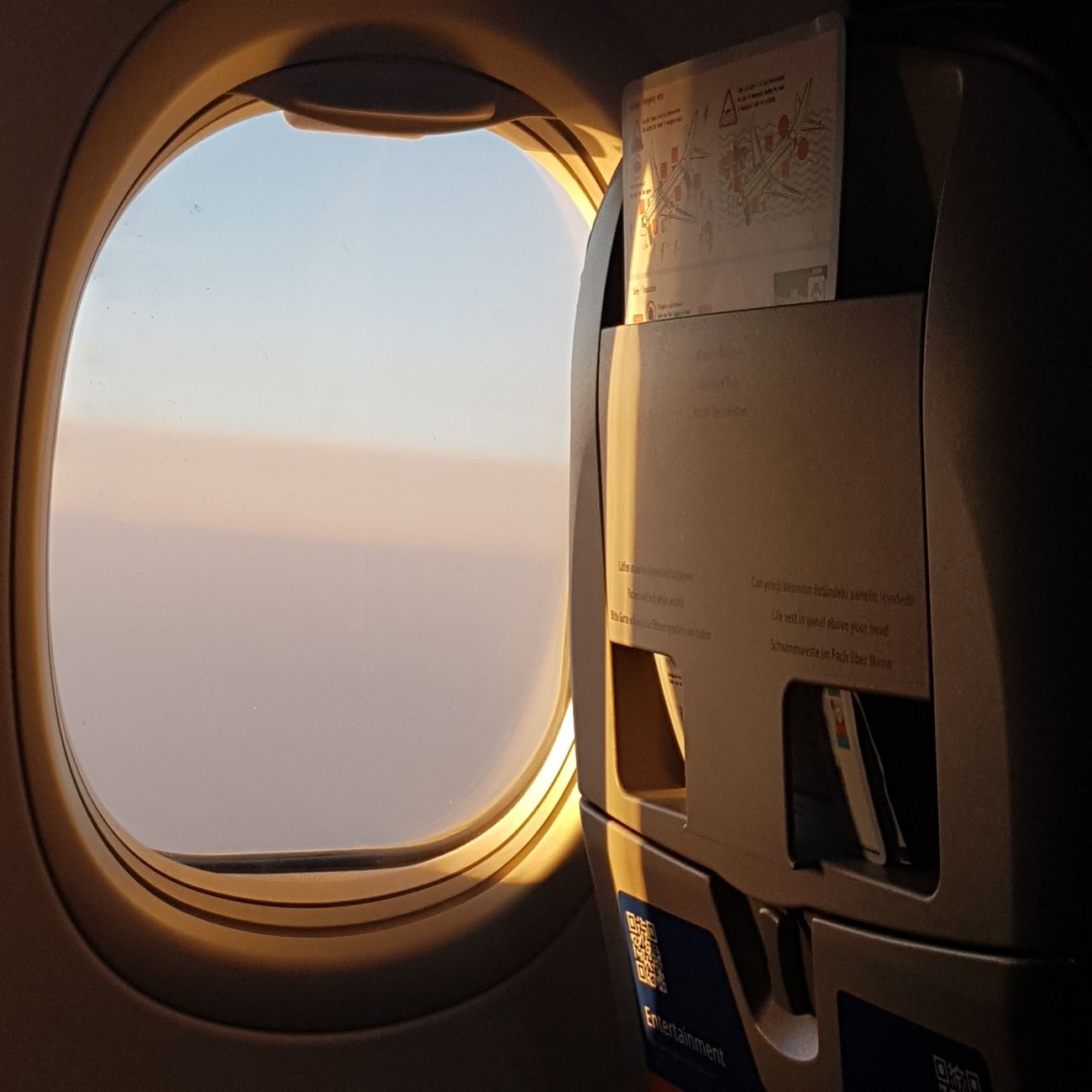
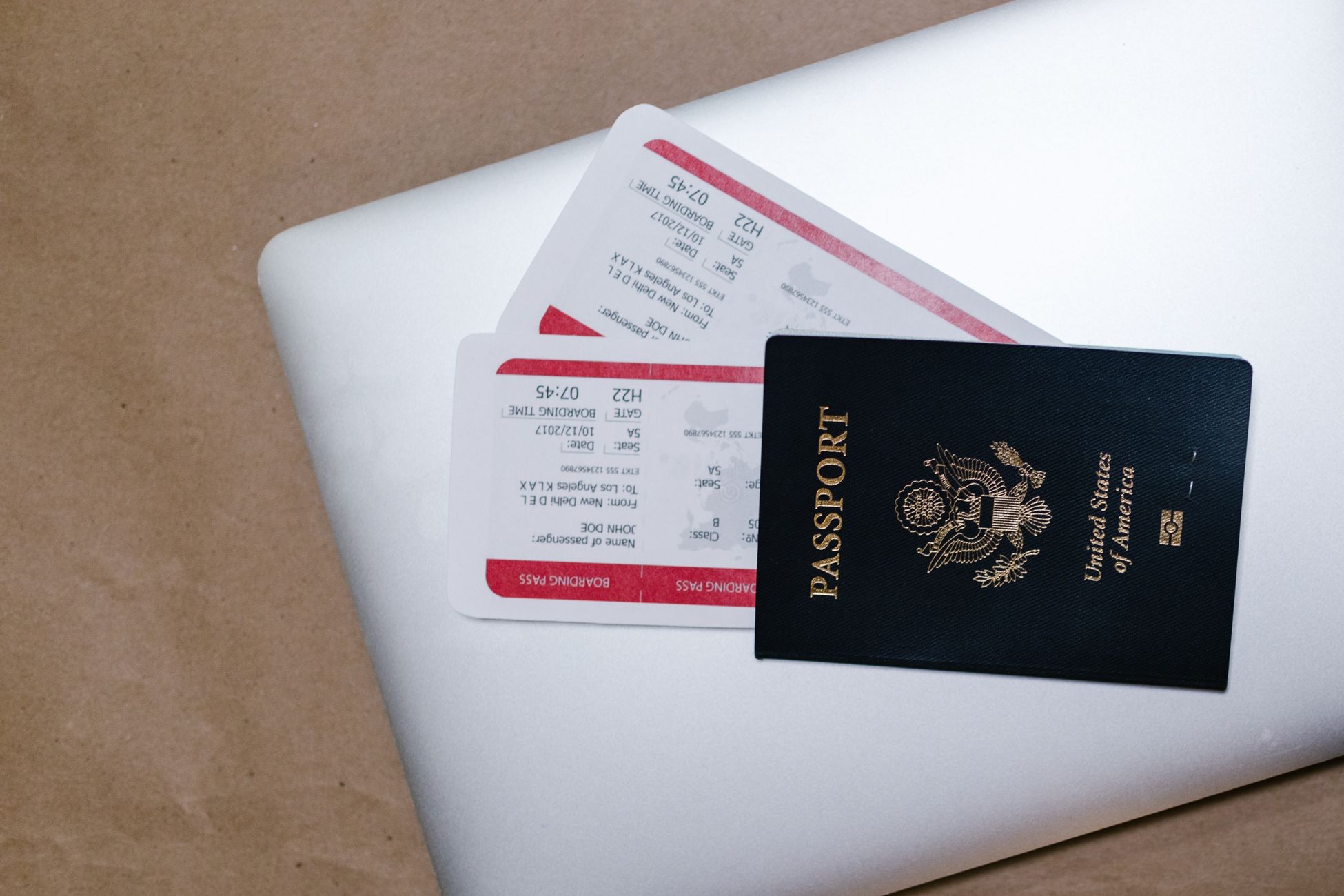
Travelling in the modern era has evolved significantly, with a noticeable shift towards spontaneity and flexibility. The rigid flight itineraries that once governed travel plans are now becoming a thing of the past, making way for the era of spontaneous travel. Thanks to advances in technology, flexible airline policies, and competitive pricing, travellers no longer need to lock in every detail months ahead of time.
Flexibility is at the core of this new travel trend, allowing travellers to break free from the constraints of pre-planned schedules and embrace a more dynamic approach to exploring the world. With the rise of flexible flights and the availability of last-minute deals, travellers now have the freedom to book airline tickets on the fly and embark on impromptu adventures. Instead of planning every hour of a holiday, many people now prefer to leave room for unexpected experiences and new opportunities.
Gone are the days when travellers had to meticulously organise every aspect of their trip well in advance. Today, the emphasis is on spontaneity and living in the moment. Whether it's a long weekend in a nearby city or an international getaway discovered through a flash sale, modern travellers are increasingly comfortable making decisions closer to their date of departure.
This change has been driven by improvements in online travel platforms and mobile apps. Comparing prices, checking seat availability, and completing a flight booking now takes only a few minutes. Travellers can monitor airfare trends, receive price alerts, and take advantage of special promotions without spending hours searching across multiple websites. These digital tools make flexible travel planning easier than before.
One of the biggest benefits of spontaneous travel is cost savings. Airlines frequently adjust fares based on demand, and travellers with open schedules often have access to heavily discounted airline tickets. Flying midweek, choosing alternative airports, or shifting departure dates by just a day or two can lead to significant savings. Flexibility has become one of the smartest ways to reduce travel expenses while still enjoying memorable experiences.
Another advantage is the freedom to customise your journey as it unfolds. Perhaps you fall in love with a destination and decide to stay longer, or maybe you discover another nearby city worth visiting. Flexible flights make these changes much easier than they once were. Many airlines now offer fare options that allow itinerary changes for little or no additional fee, giving travellers greater peace of mind.
Spontaneous travel also encourages a more authentic travel experience. Without a tightly packed schedule, there is more time to explore local neighbourhoods, try regional cuisine, attend community events, or simply relax without rushing from one attraction to the next. Some of the best travel memories come from unplanned moments rather than carefully scheduled activities.
Of course, flexibility doesn't mean travelling without preparation. It's still important to have essential documents ready, monitor visa requirements, purchase appropriate travel insurance, and keep an eye on weather conditions. A flexible traveller plans for the essentials while remaining open to changes along the way.
The growing popularity of remote work has also contributed to this trend. Digital professionals and remote employees can often work from almost anywhere, making it easier to extend business trips, combine work with leisure, or take advantage of affordable flights whenever they become available. This new lifestyle has changed how many people think about holidays and travel planning.
As the travel landscape continues to evolve, the era of spontaneous travel is opening the door to greater freedom and exploration. With the ability to book flights quickly, adapt plans easily, and discover destinations without rigid schedules, travellers are enjoying a more relaxed and rewarding way to see the world.
In conclusion, the rigid flight itineraries of the past are giving way to a more flexible and dynamic approach to travel. Embracing spontaneity allows travellers to save money, reduce stress, and experience destinations in a more natural way. As flexible travel options continue to expand, there has never been a better time to pack a bag, book a flight, and let the journey unfold.