Worn-Out Tires: How to Spot the Signs Before It's Too Late
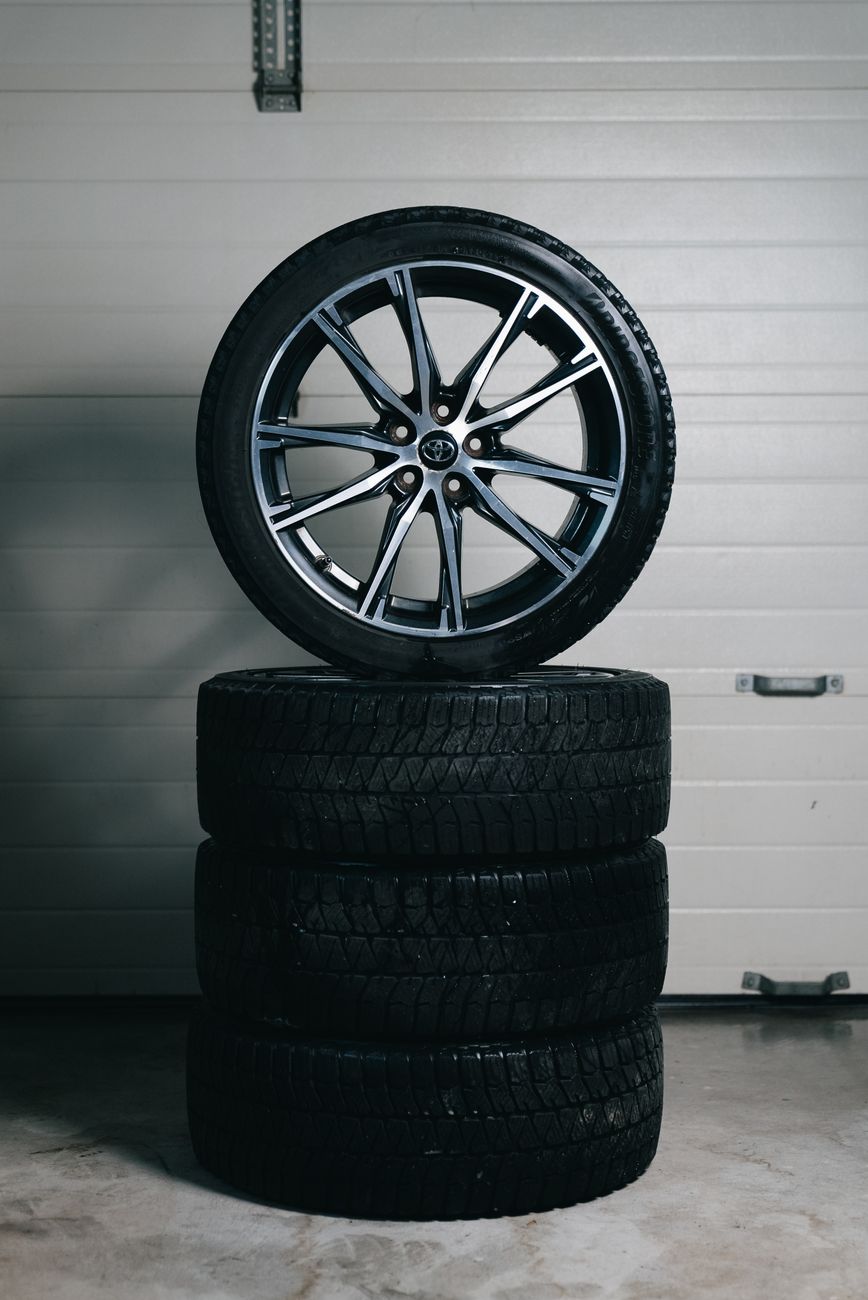
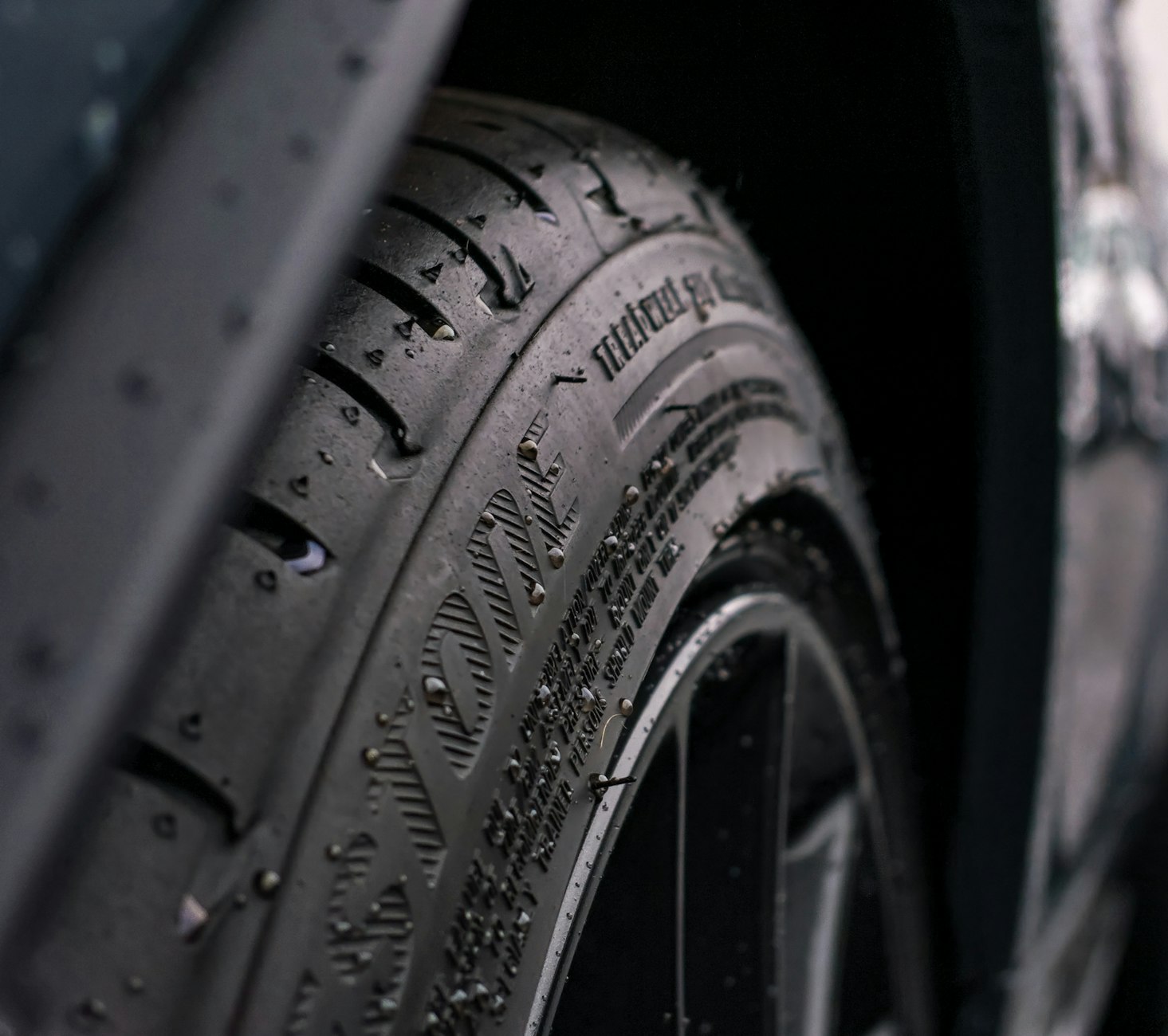
When it comes to vehicle safety, the condition of your tires plays a crucial role. Worn-out tires can significantly impact your driving experience and jeopardize your safety on the road. Therefore, it is essential to be able to recognize the signs of worn-out tires before it's too late.
Here are some key indicators that suggest it might be time to replace your vehicle tires:
- Tire Tread Wear: One of the most common signs of worn-out tires is tread wear. Insufficient tire tread depth can affect your vehicle's traction, especially in wet or slippery conditions. To check your tire tread depth, you can use the "penny test." Insert a penny into the tread groove with Lincoln's head upside down. If you can see the top of Lincoln's head, it's time to replace your tires.
- Uneven Wear Patterns: If you notice uneven wear patterns on your tires, it could indicate alignment issues, suspension problems, or improper tire inflation. Addressing these issues promptly can help extend the lifespan of your tires and improve overall safety.
- Bulges or Blisters: Bulges or blisters on the sidewall of your tires are a clear indicator of tire damage. These abnormalities can lead to tire blowouts, especially at high speeds. If you spot any bulges or blisters, replace the affected tire immediately.
- Age of the Tires: Regardless of the tread depth, the age of your tires can also impact their performance. Over time, rubber compounds break down, leading to diminished tire integrity. Experts recommend replacing tires every six years, even if they appear to be in good condition.
Regular tire inspections are crucial for maintaining optimal safety on the road. Here is a quick guide to help you inspect your tires effectively:
- Check tire pressure regularly and ensure it matches the manufacturer's recommendations.
- Inspect the tire tread for wear indicators or utilize a tread depth gauge.
- Look for signs of damage such as cuts, cracks, or punctures.
- Monitor tire age and consider replacement if they have been in use for an extended period.
Replacing worn-out tires is a vital aspect of vehicle maintenance. Here are some driving safety tips to consider when replacing your tires:
- Always replace tires in pairs or sets of four to ensure optimal balance and performance.
- Choose tires that are suitable for your driving conditions and vehicle type.
- Follow the recommended tire rotation schedule to promote even wear and extend tire lifespan.
- Consider investing in quality tires from reputable brands for enhanced safety and performance.
Remember, your tires are the only point of contact between your vehicle and the road. By staying vigilant and proactive in monitoring tire health, you can maintain a safe driving experience for yourself and others on the road.
Keep these tire maintenance tips in mind to ensure that your vehicle stays safe and reliable on every journey.