Your Guide to Internet Privacy Policies and Data Protection
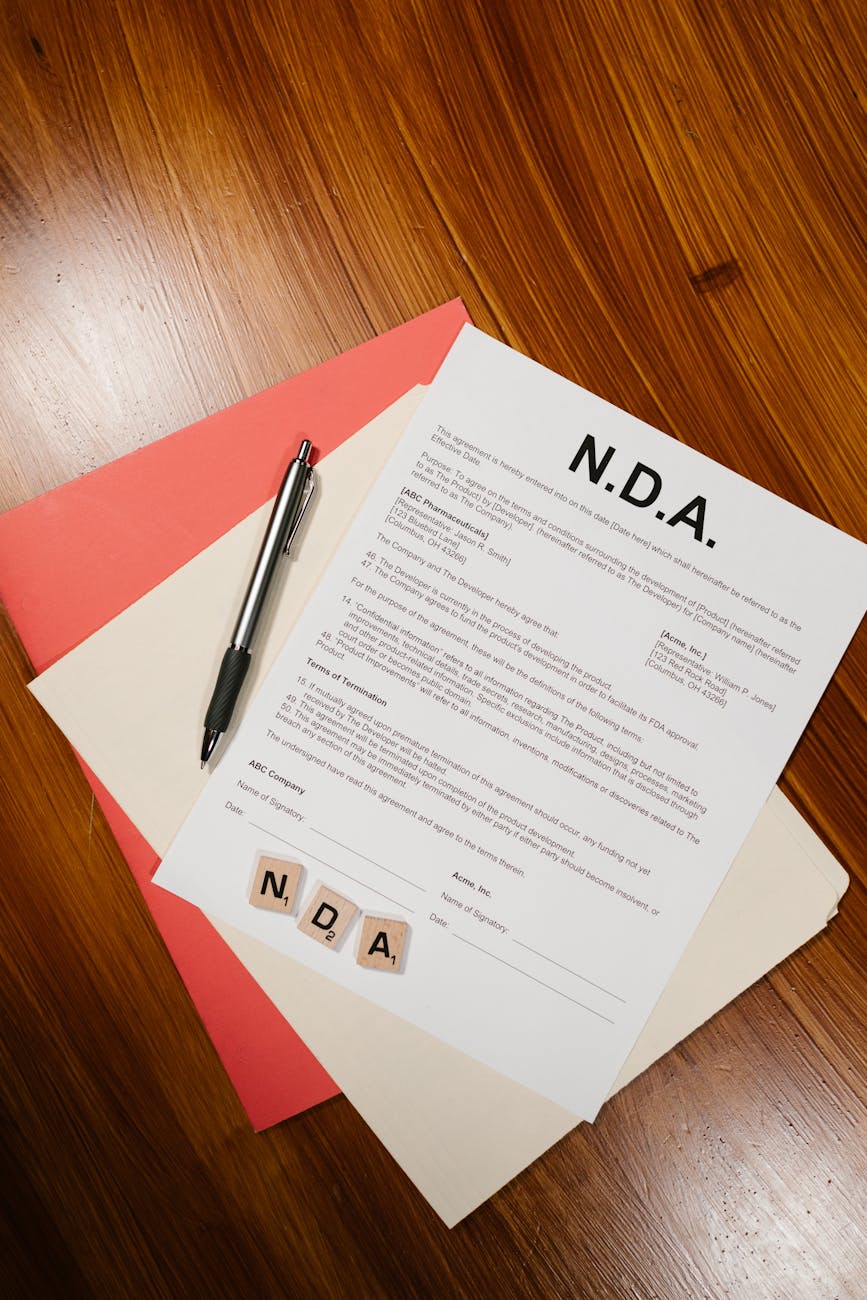

Welcome to your ultimate guide to navigating internet privacy policies and safeguarding your personal data online. In today's digital age, where data breaches and online privacy violations are all too common, it is crucial to understand how to protect your personal information while browsing the web. This digital privacy guide will provide you with valuable insights into internet privacy policies and data protection measures to help you stay safe and secure online.
Internet privacy policies serve as guidelines that dictate how websites and online platforms collect, store, and use your personal information. By understanding these policies, you can make informed decisions about the websites you interact with and the data you share online. Here are some essential tips to help you navigate internet privacy policies effectively:
1. Read Privacy Policies Carefully
When using a new website or online service, take the time to read through its privacy policy. Look for information on what data is being collected, how it is being used, and whether it is being shared with third parties. Understanding these details will give you insights into how your personal information is being handled.
2. Opt-Out of Data Collection
Many websites offer the option to opt-out of certain types of data collection or targeted advertising. Take advantage of these features to limit the amount of personal information that is being gathered about you. You can often find these settings in the privacy or account settings section of a website.
3. Use Strong Passwords
Protect your online accounts by using strong, unique passwords for each platform you use. Avoid using easily guessable passwords like "123456" or "password." Instead, opt for a combination of letters, numbers, and special characters to create a strong defence against data breaches.
4. Enable Two-Factor Authentication
Two-factor authentication adds an extra layer of security to your online accounts by requiring a second form of verification, such as a code sent to your phone. Enable this feature whenever possible to reduce the risk of unauthorised access to your accounts.
5. Keep Your Software Up to Date
Regularly update your operating system, web browser, and other software to patch security vulnerabilities and protect your data from cyber threats. Software updates often include important security fixes that can help prevent data breaches and online attacks.
By following these internet safety rules and online privacy best practices, you can take proactive steps to protect your personal data online. Remember that your privacy is valuable, and it is essential to stay informed about the digital landscape to safeguard your information effectively. By understanding privacy policies and taking necessary precautions, you can enjoy a safer and more secure online experience.
Protecting your personal information online is a shared responsibility between internet users and online platforms. By staying vigilant and informed, you can minimise the risks associated with online data breaches and privacy violations. Take control of your digital privacy today and empower yourself with the knowledge to navigate the internet safely and securely.
Remember, your personal data is precious – guard it wisely!