The Future of Delivery: Trends Shaping Shipping and Last-Mile Logistics
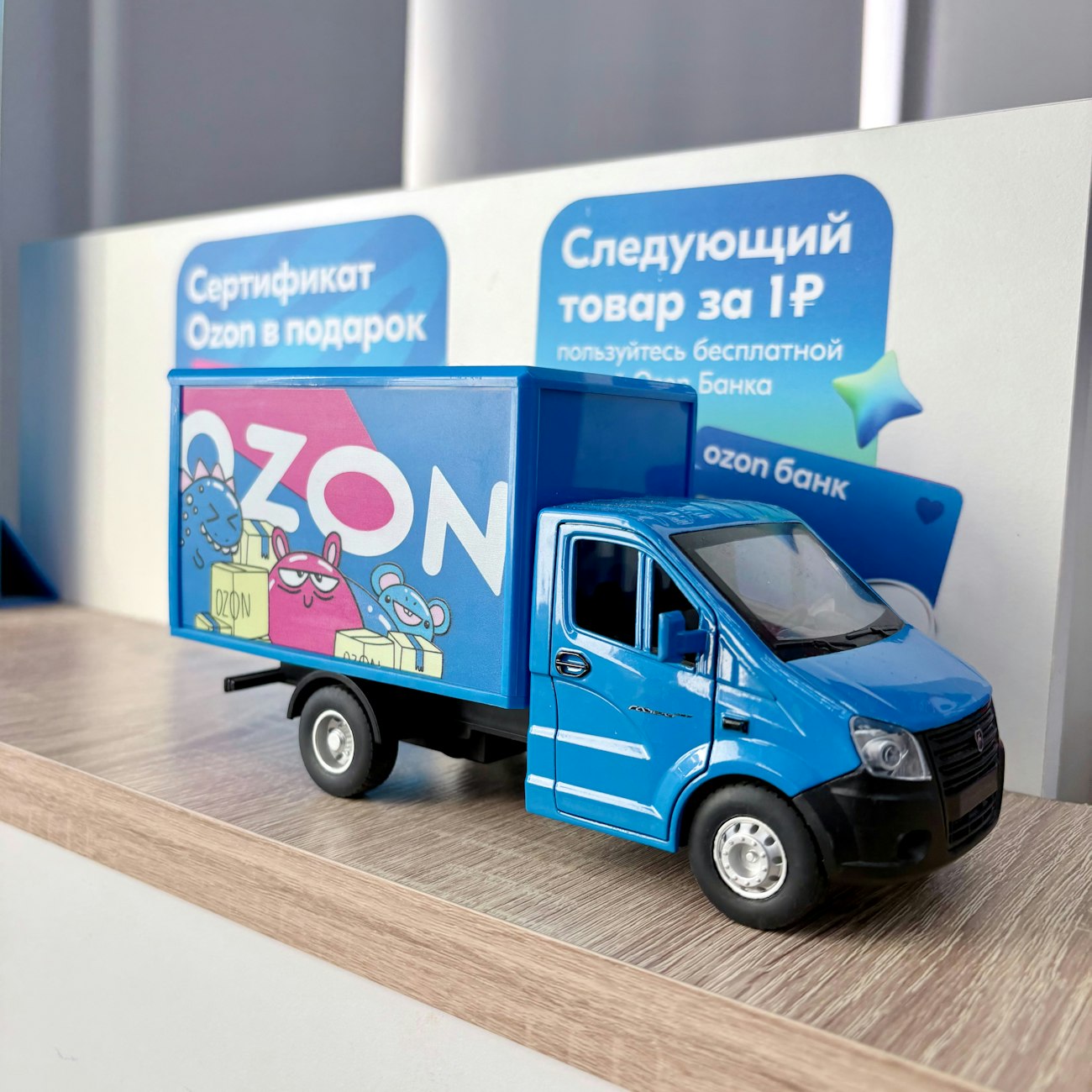
In the rapidly evolving landscape of global commerce, the delivery service industry is undergoing a profound transformation. The era when shipping a package took weeks and remained a complete black box for the consumer is officially a thing of the past. Today, delivery networks stand at the forefront of technological innovation. Their development is driven not only by relentless consumer demand for speed and convenience, but also by global environmental challenges and the need for operational efficiency. From last-mile fulfilment to advanced artificial intelligence, several key trends are actively reshaping the way goods move around the world.
1. Smart Logistics Technology and Digitalization
At the heart of this revolution is the deep integration of Smart Logistics Technology. Modern delivery providers are shifting away from rigid, static scheduling toward dynamic, real-time management of supply flows.
-
Dynamic Route Optimisation: Advanced machine learning algorithms evaluate traffic congestion, weather anomalies, and road construction in real time, constantly adjusting courier routes on the fly.
-
Predictive Analytics: AI-driven models forecast localised demand for specific product categories, enabling companies to position inventory closer to consumers before orders are even placed.
-
End-to-End Visibility: Next-generation tracking systems grant both businesses and end-users precise geographic updates, turning package monitoring into a transparent, minute-by-minute experience.
2. The E-Commerce Explosion and Next-Gen Transit
The exponential growth of e-commerce has permanently altered consumer behaviour. Expectations have shifted dramatically: options like same-day and next-day delivery have transitioned from premium perks to standard requirements. To keep up with this demand, logistics operators are actively embracing autonomous systems.
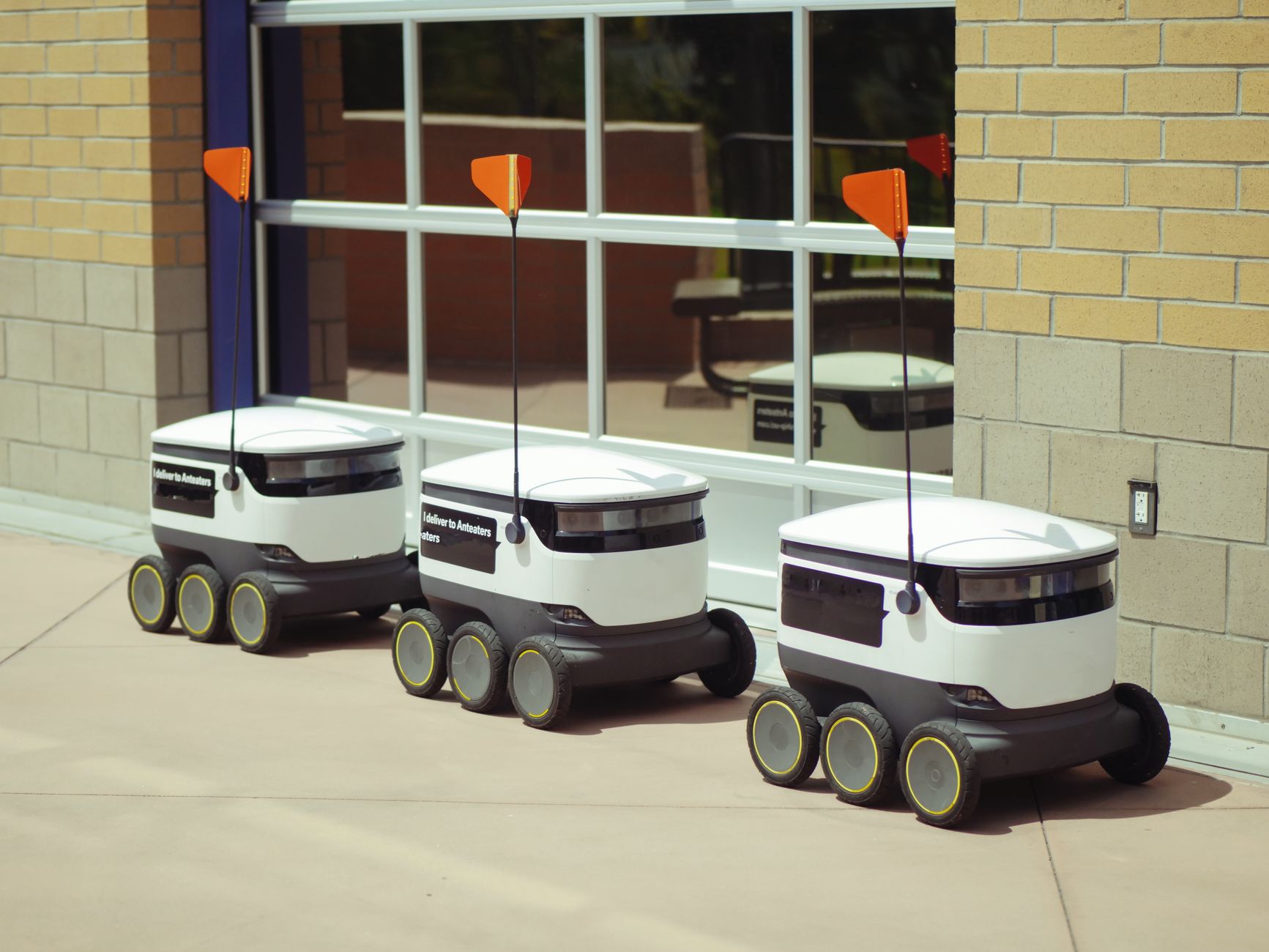
Unmanned aerial vehicles (drones) and autonomous delivery rovers are rapidly moving from experimental pilots to commercial deployment. These technologies directly target "last-mile logistics"—traditionally the most complex and expensive leg of the supply chain—by navigating dense urban centres and remote rural areas with significantly reduced operational overhead.
3. Sustainable Delivery and Eco-Friendly Practices
As global shipping volumes continue to surge, so does the environmental impact of transport networks. Consequently, Sustainable Logistics has evolved from a corporate responsibility initiative into a core business imperative.
-
Fleet Electrification: Leading courier and postal services are aggressively replacing traditional internal combustion fleets with electric vehicles (EVs) and cargo e-bikes.
-
Micro-Mobility Solutions: Deploying bike couriers and foot-packers in city centres effectively reduces urban traffic congestion while eliminating localised carbon emissions.
-
Crowdshipping Models: Leveraging existing commuter routes to move localised packages optimises existing traffic flows without putting additional vehicles on the road.
-
Green Packaging: The industry-wide transition towards biodegradable materials, minimal design, and reusable containers significantly decreases plastic waste.
4. Seamless Supply Chain Integration
The future of delivery cannot be viewed in isolation from the broader Supply Chain Logistics ecosystem. True operational speed and resilience are only achievable through end-to-end synchronisation among raw material suppliers, manufacturers, fulfilment hubs, and last-mile couriers.
By utilising unified digital platforms, companies can eliminate warehouse bottlenecks, minimise safety stock requirements, and adapt swiftly to market disruptions or seasonal demand spikes. Interconnected data streams across every node of the chain create an agile system capable of handling peak volumes with precision.
Conclusion
The future of delivery lies at the intersection of high-tech automation, extreme operational agility, and environmental stewardship. The market leaders of tomorrow will be those capable of harmoniously combining smart algorithms, autonomous vehicles, and green transit methods—all while maintaining a flexible, customer-centric infrastructure. As technological capabilities continue to unfold, the way we receive goods in the coming years will become faster, smarter, and more seamless than ever before.